A Nature survey of ~1500 scientists reported that more than 70% had failed to reproduce another scientist’s experiments, and 50% had failed to replicate their own (Baker, 2016). This study wasn’t specific to machine learning, but the crisis has its own flavour in computational drug discovery.
One aspect of this is that available datasets have known quality issues, and results built on them can be fragile. MoleculeNet and the Therapeutic Data Commons (TDC) opened drug discovery to a wider ML community, but they’re no longer sufficient for driving further advances (Wognum et al., 2024).
Amongst a number of issues, 71% of molecules in one MoleculeNet dataset (BACE) contained at least one undefined stereocenter (a point where the same atoms can sit in two different 3D arrangements), making it unclear what chemical entity is actually being modelled (Li et al., 2026).
The stakes are high. In 2017, a research group found their cancer-target inhibitor inactive from one vendor and highly active from another. Eventually they traced this to vendors selling different mixtures of the compound’s two 3D forms where only one was active on the target and mechanism they were investigating (Baker, 2017).
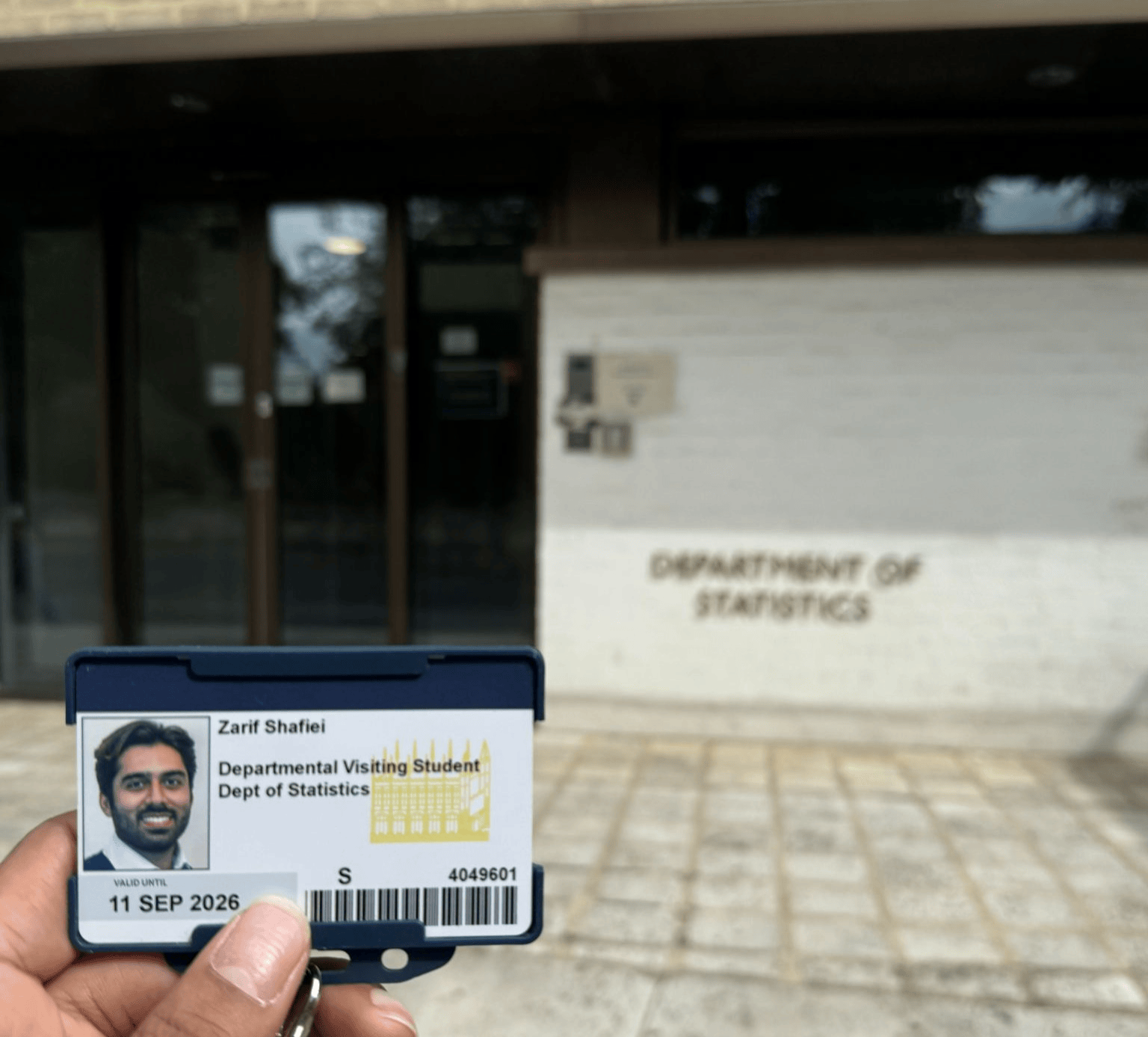
Most approved pharmaceuticals are relatively small chemical molecules, typically weighing under 900 g/mol, with most of the rest being biologics. Whilst in Oxford in OPIG over the summer as a UNIQ+ student, I focused on ADME, an aspect of early stage drug discovery, where assays are measured in vitro as a stand-in to predict how a compound will behave in vivo (in the human body) before clinical trials. Absorption (does it enter the body), Distribution (where does it go), Metabolism (how quickly it’s transformed) and Excretion (how quickly it’s eliminated) are processes critical to whether a candidate succeeds.
Continue reading →